

Results
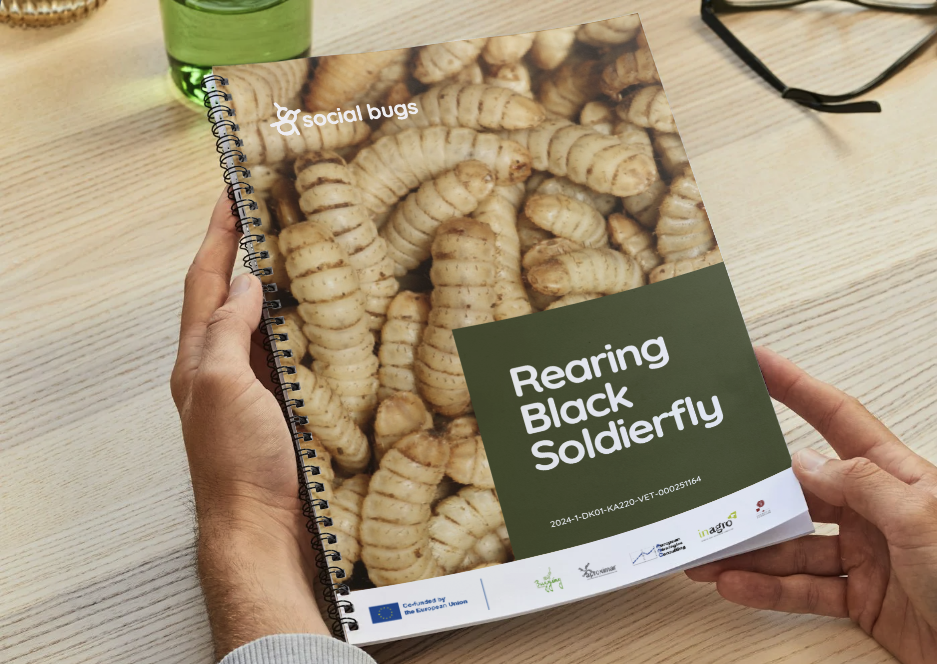
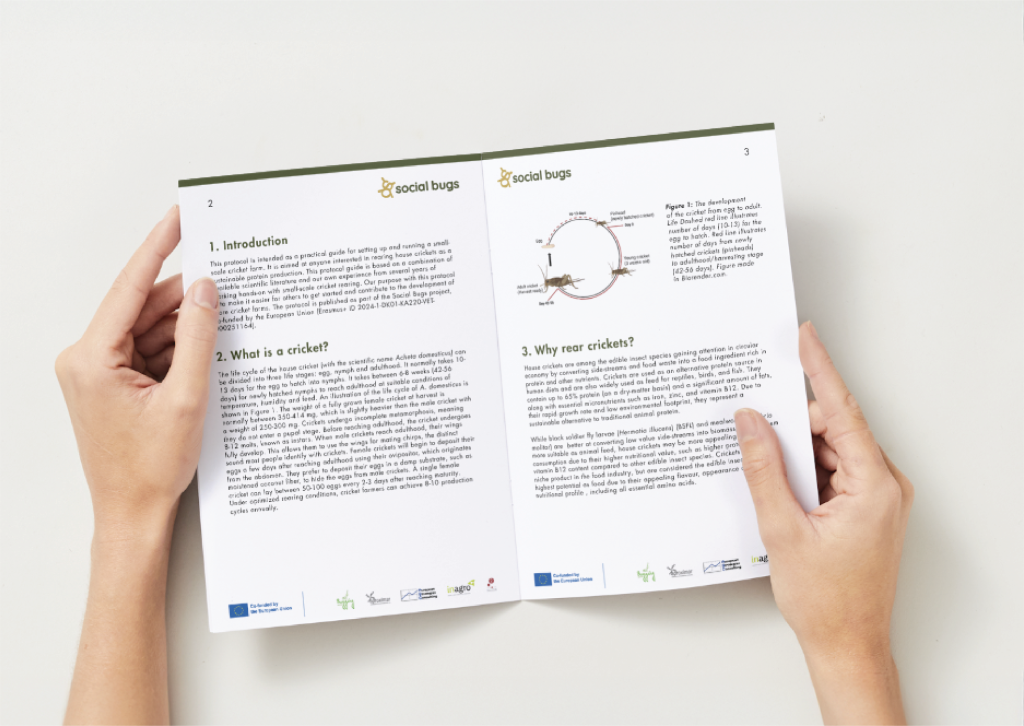
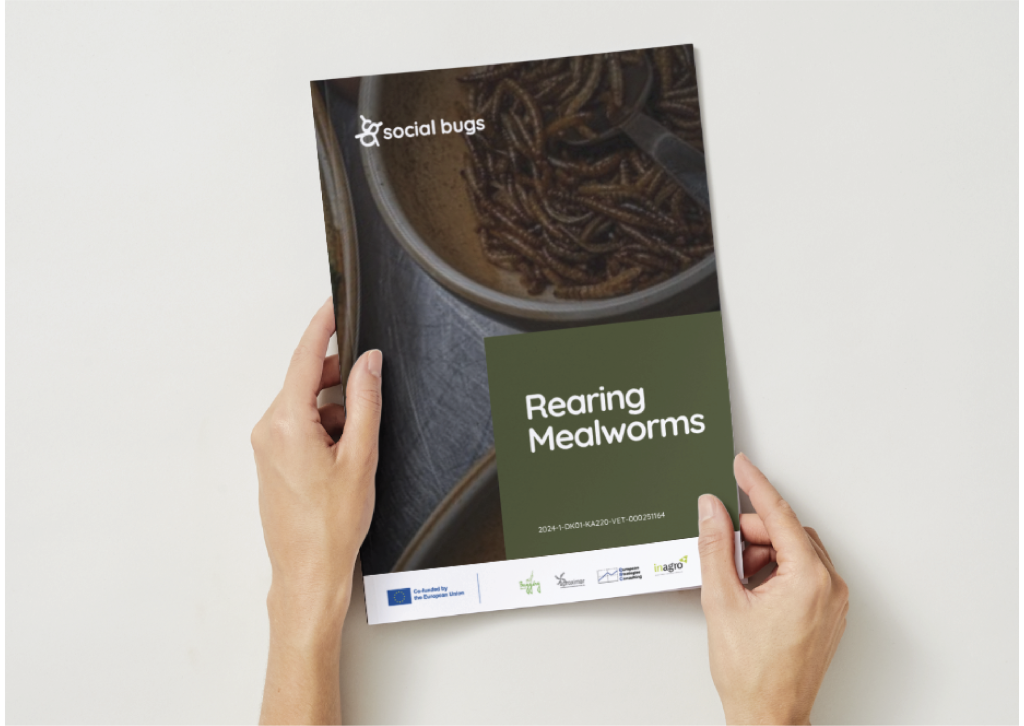
Report on cross-sectoral collaboration and innovation between the insect market and social and solidarity economy
This report presents a comprehensive comparative analysis of how edible insect production and the Social and Solidarity Economy (SSE) intersect across four EU Member States: Belgium, Denmark, Portugal, and Romania. It examines the regulatory environments that govern insects as food and feed, maps national SSE frameworks, analyses opportunities and barriers for cross‑sector collaboration, and draws practical insights from different international case studies from Europe and East Africa. The goal is to understand how insect farming, a rapidly expanding in circular bioeconomy sector, can be leveraged to generate social, environmental, and economic value when aligned with SSE principles.
Competency Framework
This document serves as a roadmap for aspiring and current social entrepreneurs in the edible insect sector. It defines the essential knowledge, skills, and attitudes needed to build a sustainable venture that balances financial viability with social impact. The framework is organized into three core areas: Entrepreneurship, Social Impact & Business, and the Edible Insects Industry.
Competency Framework and CVET Curriculum
A complete guide defining the knowledge, skills, and attitudes needed to launch a social venture in the insect protein sector. This resource includes a Competency Framework and a detailed design for a 16-hour blended training course, featuring modules on sustainable production, risk management, and social impact measurement.
Freedom Crickets Case Study
The main aim of the Freedom Crickets case study is to demonstrate how sustainable insect farming can be combined with social innovation to support the reintegration of young people in custody, using cricket production as a practical tool to build vocational skills, work discipline, and pathways to employment.
At the same time, the initiative seeks to highlight how such a model contributes to environmental sustainability through alternative protein production, while aligning with Social and Solidarity Economy (SSE) principles such as inclusion of vulnerable groups, reinvestment in social impact, and collaborative governance. Overall, the case study aims to showcase a dual-impact approach in which ecological innovation (insect farming) and social rehabilitation and inclusion reinforce each other.
Insekteriet Case Study
The main aim of the Insekteriet case study is to illustrate how insect farming can be used as an innovative, hands-on educational tool to improve learning outcomes, promote sustainability awareness, and foster inclusion among students, particularly those from vulnerable or special-needs backgrounds. By integrating mealworm rearing into school activities, the initiative aims to make STEM (Science Technology Engineering, and Math) subjects more engaging, tangible, and accessible, while building students’ confidence, skills, and understanding of sustainable food systems. More broadly, the case study highlights how a non-profit, education-focused approach to insect farming can contribute to social inclusion and environmental awareness, supporting a more equitable and sustainability-oriented education system.